
Follow ZDNET: Add us as a preferred source on Google.
ZDNET's key takeaways
- Cold booting can instantly fix your Samsung TV.
- It improves sluggishness and odd behavior and clears cache.
- Simply turning off your Samsung TV puts it in standby mode.
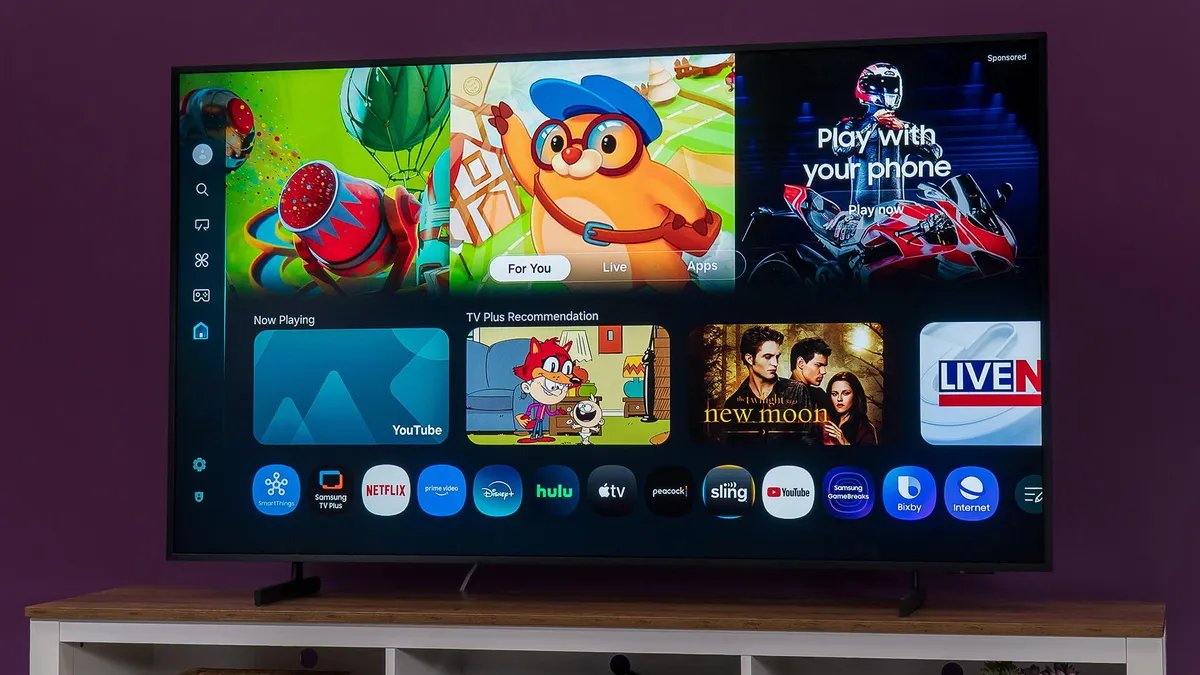
Lately, my Samsung TV has been lagging. Apps take longer to open. The home menu hesitates before loading. Even turning the TV on feels slower than usual. It's sluggish enough to be annoying. A ZDNET editor recently suggested I try a simple “cold boot” trick that takes about five seconds. It clears the TV's memory cache and forces a full restart.
Also: How to clear your Roku TV cache (and why it makes such a big difference)
Apparently, pressing the power button on the Samsung TV remote does not truly turn the TV off. It puts it in standby. And my TV, just like a phone or PC, has cache that needs to be cleared regularly. The more apps I open, the more memory it consumes. When that memory gets overloaded, performance can suffer. A cold boot flushes that cache and resets the system.
So I tried a cold boot, and wouldn't you know it, my TV is far more responsive. If your Samsung TV is doing the same thing — stuttering, glitching, or taking forever to respond, or even power on — this is what you should try first.
How to speed up a slow Samsung TV
What you'll need: A Samsung TV, the original Samsung remote if possible, and an internet connection.
This forces a full system restart instead of entering standby and clears the memory cache. It's the fastest and easiest method and works on most modern Samsung smart TVs.
- With your TV on, grab the remote and press and hold the Power button.
- Keep holding the Power button as the TV turns off.
- Continue holding it until the TV turns back on and you see the Samsung logo.
Also: I used 11 secret Fire TV remote shortcuts to unlock new features and menus
You have now cold-booted the TV. Internally, the operating system reloads and clears temporary memory. In my case, menus were immediately snappier, and apps launched much faster.
Can't find your Samsung TV remote? No problem. You can achieve the same result another way. This method, called “discharging,” fully cuts residual power and clears the memory cache.
- With the TV on, unplug the power cord from the wall outlet.
- Wait at least 30 seconds.
- Plug the power cord back into the outlet.
- Turn the TV back on.
Also: I used 8 HDMI tricks to get the best performance from my TV – and most are free
While standby mode sends low-level power to parts of the system, unplugging the TV cuts power completely and forces a cold boot. I did this as well, both for good measure and to confirm it worked just as effectively.
Outdated firmware can cause glitches and odd system behavior. Samsung regularly releases software updates to improve performance, stability, and app compatibility, so it is worth checking that your TV is up to date. You'll need an internet connection, obviously, to install the latest patches.
- Press the Home button on your remote.
- Go to Settings.
- Select Support.
- Choose Software Update.
- Select Update Now.
Also: Your TV's USB port has hidden superpowers: 4 benefits you're not taking advantage of
You can also enable Auto Update to have your TV install new software automatically. To enable, go to Settings > All Settings > Support > Software Update, then toggle on Auto Update.
Smart TVs retain temporary app data, which over time can eat into available RAM. If you want to free up storage and reduce background resource use, uninstall apps you rarely use.
- Press Home on your Samsung TV remote.
- Navigate to the app you want to remove.
- Highlight the app.
- Press and hold on the app. Or use the Options or Tools menu.
- Select Remove.
Also: Slow Fire TV? This quick 30-second fix made mine run like new again
You can also remove buggy or glitchy apps and reinstall them later if needed. Either way, reducing app clutter can help improve your TV's overall performance. I do this often to keep my home screen tidy and boost my TV.
Why does my Samsung TV feel slow?
Smart TVs run operating systems with apps, streaming services, and background processes. Over time, temporary files and memory usage build up. Just like a smartphone, a restart and clearing the cache can significantly improve performance.
Is a cold boot safe for my TV?
Yes. The long-press power restart and the 30-second unplug method are standard troubleshooting steps recommended by Samsung support. They do not erase permanent storage, your settings, or installed apps.
How often should I cold boot my TV?
There is no strict schedule. I plan to do it whenever I notice lag, slow app launches, or delayed startup.